Deep and fundamental ideological incompatibility between Sikhs and Indians leads to disagreement, friction, and conflict over fundamental issues including control of river waters and fertile land, governance style, demographic issues etc.
Sikhs are not Indians. Sikh's identity is Sikh (ethno-religious), and Punjabi (regional, cultural, civilizational, and linguistic). India is a 'Soft State' created by the British after the British Empire in 1947. India is an unnatural chimera of diverse Nations with nothing in common.
Samuel Huntington wrote about 'Clash of Civilizations'. There cannot be any co-existence between Sikhs and Indians.
The Second Sikh Kingdom of Maharaja Ranjit Singh fell to the British Empire in South Asia in 1849.
The British Empire transferred power to India's extreme Machiavellian 'upper castes' (Chanakyas) in 1947. It was not independence of India but a transfer of power. The masses never got independence. Root of Sikh's predicament today begins with their failure to create their own Sovereign State after breakup of British Empire in South Asia in 1947. Movements for independence in South Asia's various regions had been brutally suppressed by the British Empire.
This political failure of Sikhs in 1947 forced Sikhs and Indians to live together. This is the root of all Sikh-India conflict.
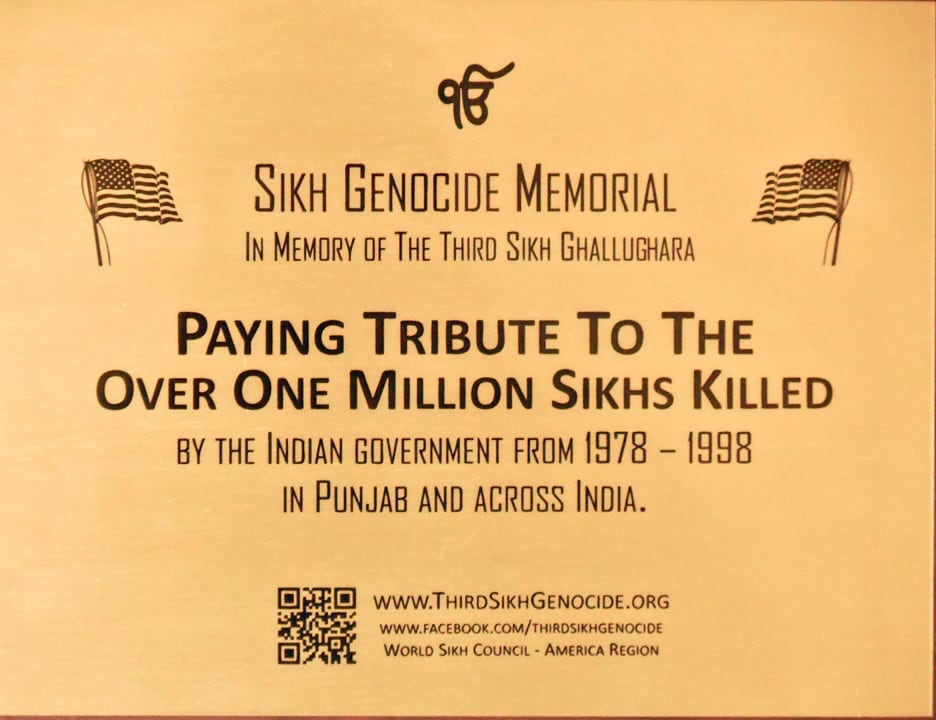
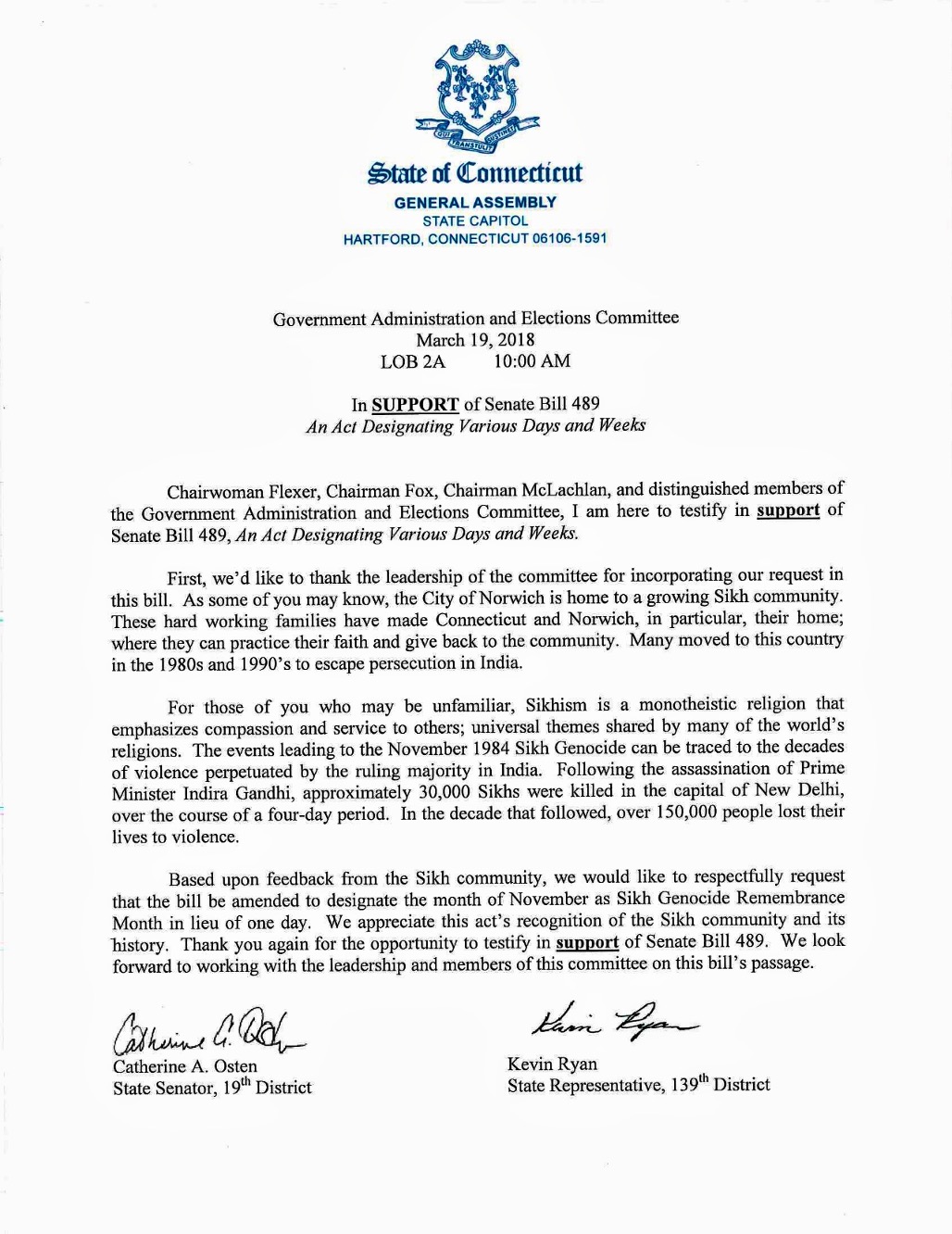
This perpetual conflict led to Sustained Genocide of the Sikhs (Ghallughara) from 1984-1998. More than a million Sikhs were killed.
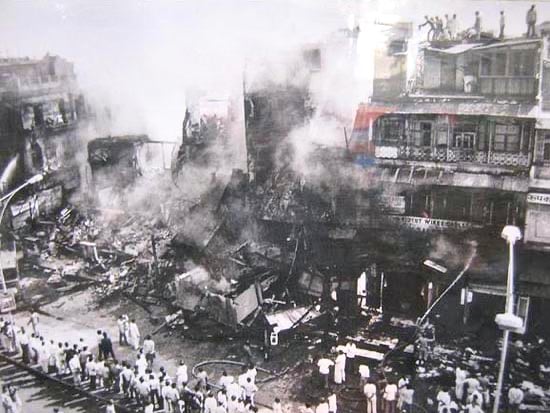
Repression of the Sikhs peaked at the Battle of Amritsar in 1984. Indian army attacked Darbar Sahib complex with tanks and army personnel. Akal Takht (literally the seat of God) in the Darbar Sahib complex was desecrated.
The killing spree continued for years (1984-1998) and in several locations in Punjab.
"Indian military receives cash bounties for the slaughter of innocent children. And to justify their actions, they are labeled ''terrorists'.' "Also in Punjab, Sikhs are picked up in the middle of the night only to be found floating dead in canals with their hands and feet bound together." (Hon. Dan Burton, 'US Congressional remarks, September 23, 1998, E1782'). (CONGRESSIONAL RECORD - Dan Burton, 1998)
Indian military, not police, but Indian military (army) received cash bounties for killing its own citizens in peacetime.
Singapore's First Prime Minister Lee Kuan Yew writes: 'There was outrage throughout the Sikh world when she [Indian Prime Minister] ordered troops into the Sikh holy temple at Amritsar. Watching how incensed the Sikhs in Singapore were, I thought it was politically disastrous: She was desecrating the innermost sanctuary of the Sikh religion. But she was unsentimental and concerned only with the power of the state which she was determined to preserve.' (Lee Kuan Yew, 'From Third World to First: The Singapore Story', p. 408).
This statement from Lee Kuan Yew captures essence of Indian culture, its relation with Sikhs, and the Battle of Amritsar 1984. Prime Minister Indira Gandhi with no sentiments, no wisdom, and 'concerned only with the power of the state', 'desecrating the innermost sanctuary of the Sikh religion'.
"A reign of terror was let loose in the name of curbing terrorism." (Prof. Gurdarshan Singh Dhillon, 'India Commits Suicide', p. 315).
"I travelled, on both my trips to Punjab in 1992 and 1993, that 'Mr Gill's men', as the people put it, that is, the police under the direction of the Director General of Police K.P.S. Gill, were eliminating all young, aware Sikhs." (Joyce Pettigrew, 'The Sikhs of the Punjab: Unheard Voices of State and Guerilla Violence', p. 11).
Joyce Pettigrew captured it well when she wrote: 'A condition of zulm exists in the rural areas. Zulm is oppression directed against an entire people and so intense that it has to be resisted." (Joyce Pettigrew, 'The Sikhs of the Punjab: Unheard Voices of State and Guerilla Violence', p. 10).
Sikhs and Hindus are like fire and water. There is deep ideological incompatibility. The Sustained Sikh Genocide 1984-98 was a manifestation of that.
Sustained Sikh Genocide 1984-1998 Jan 14, 2026
History
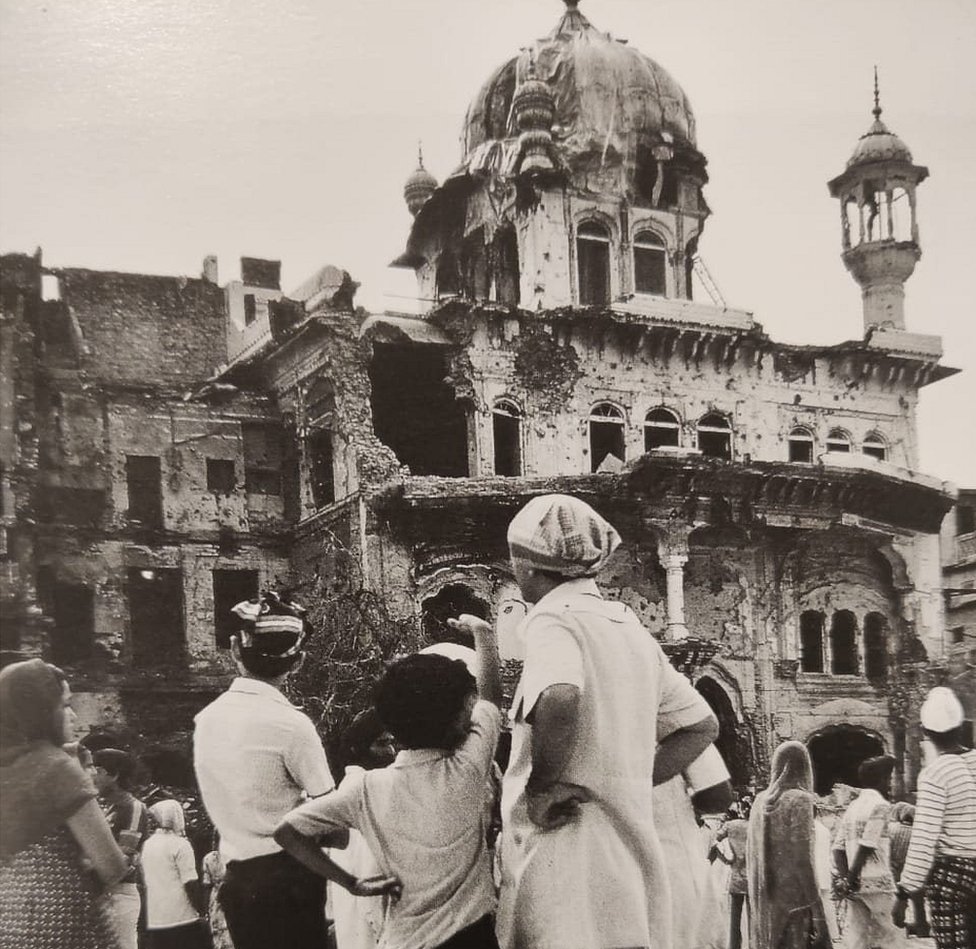
Destruction of Akal Takht (literally the seat of God) by Indian army in 1984.
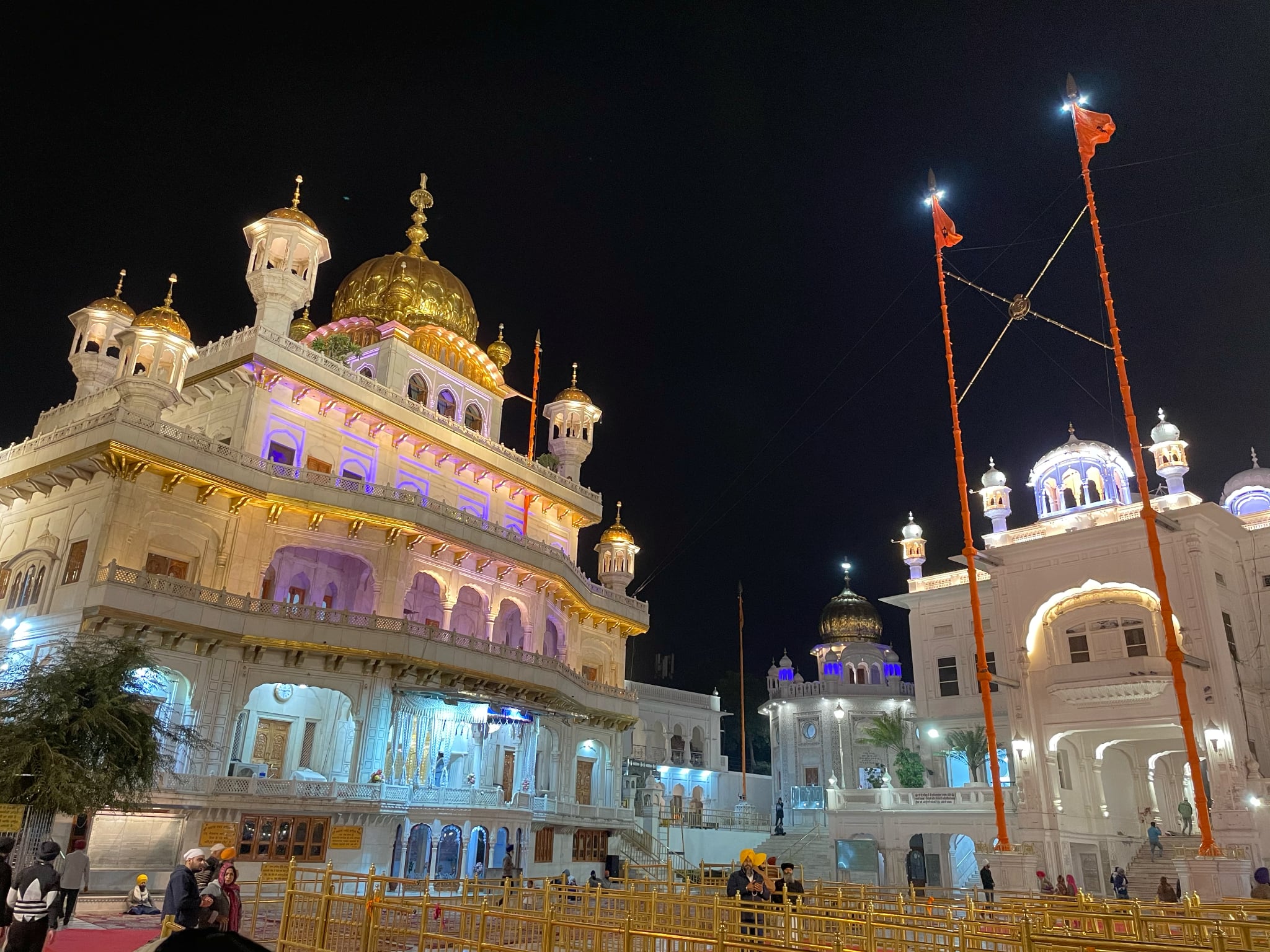
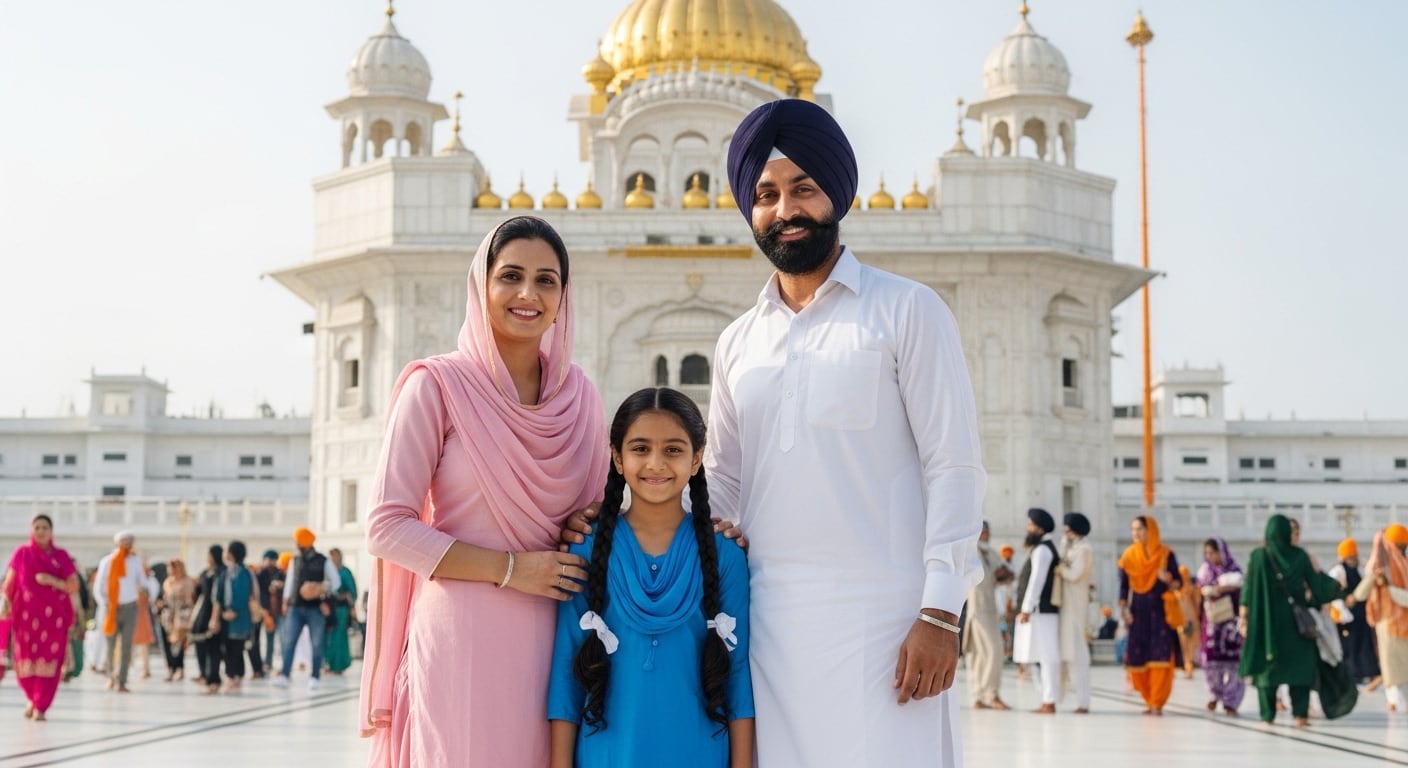
Akal Takht today.